How I Finally Found My Artistic Style

Updated: Sep 4

As an artist, finding your place in the market isn’t easy. Balancing authenticity with the pressure of internet trends and the pursuit of a wider audience can sometimes make you feel like you’re losing a part of yourself along the way.
There was a time when artists devoted their whole lives to refining their craft and developing a unique voice, without the constant pressure of chasing customers. Art was more than a profession—it was a life's mission.
Today, we live in a different reality. In this new art world, talent alone is no longer enough. What often matters most is not how good you are, but how much you sell.
In this landscape, young artists are taught to follow trends and obey the aesthetic formulas dictated by social media: pale backgrounds, flowers, portraits with closed eyes—or no eyes at all. A new generation of artists has grown up under the tyranny of trends, haunted by the fear of becoming invisible.
The fear of painting in the shadows, without admirers, without followers, and, inevitably, without buyers. The fear that creating honestly may no longer be enough in a world obsessed with being seen.
Yet, there is another side to this new reality. Never before has it been so easy to share art across the world and build direct relationships with collectors and customers, without depending on the approval of a curator, a gallery, or a sponsor. The same technology that fuels trends has also opened doors that previous generations of artists could only dream of.
So, I chose to embrace the brighter side of this reality and set out to discover who I truly am as an artist. I found the courage to risk looking ridiculous, to hear "no," and to endure the laughter and criticism of others.
Never pay too much attention to those who mock you. More often than not, they spend their energy judging those who are trying, creating, and growing, instead of pursuing something meaningful themselves. Progress always attracts criticism, but it is better to be laughed at for trying than to remain safely unnoticed.
The first step was to look inward—to my ancestry, my childhood, and the dreams I had as a young girl while listening to my family's stories. Instead of looking outside myself and worrying about what others might want to see or buy, I began searching within.
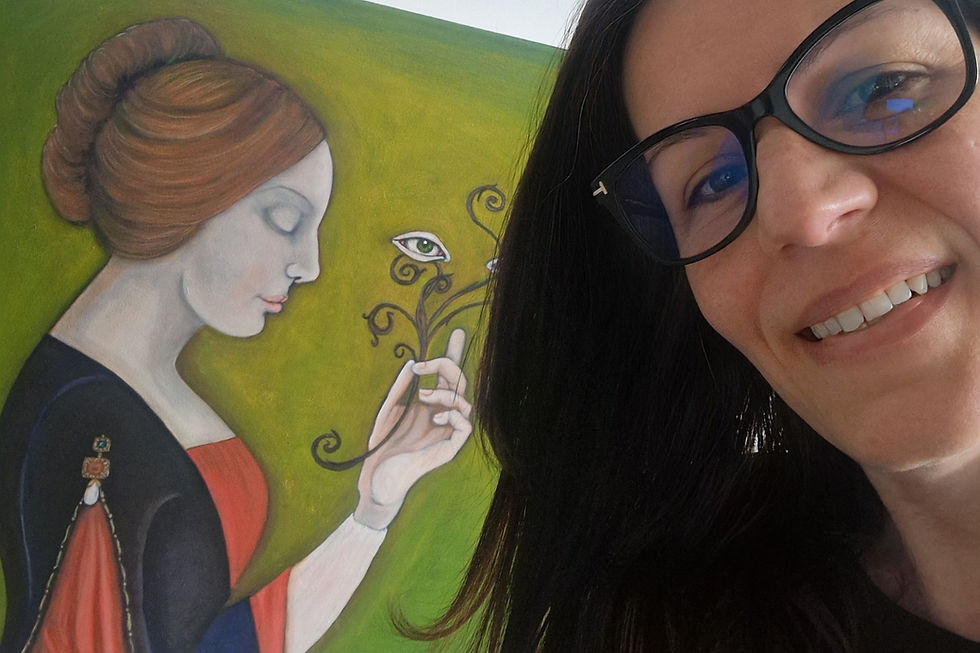
Who am I? What lies hidden in my unconscious dreams? What styles do I truly love, yet feel ashamed to reveal? Why? Are they considered outdated? Perhaps. But if I love them, why should that matter? Why not embrace them and see where they lead?
That was the beginning of discovering my own artistic voice.
My family is entirely Italian and Sicilian. Like many others, they immigrated to Brazil to escape the horrors of the two World Wars and to build a new life. Growing up, I was never lulled to sleep with stories of Sleeping Beauty or Snow White. Instead, my father delighted in telling me the tales of Hercules, the legend of Romulus and Remus, Medusa, and the heroes and myths of the ancient world.
We took great pride in our heritage and in the extraordinary era of heroes and philosophers that shaped our ancestors. Sicily, after all, was once part of Magna Graecia, where Greek culture flourished and left an enduring legacy. Those ancient myths were not just stories to us—they were a living inheritance, passed down through generations, shaping my imagination and, perhaps without my knowing it, the artist I would one day become.
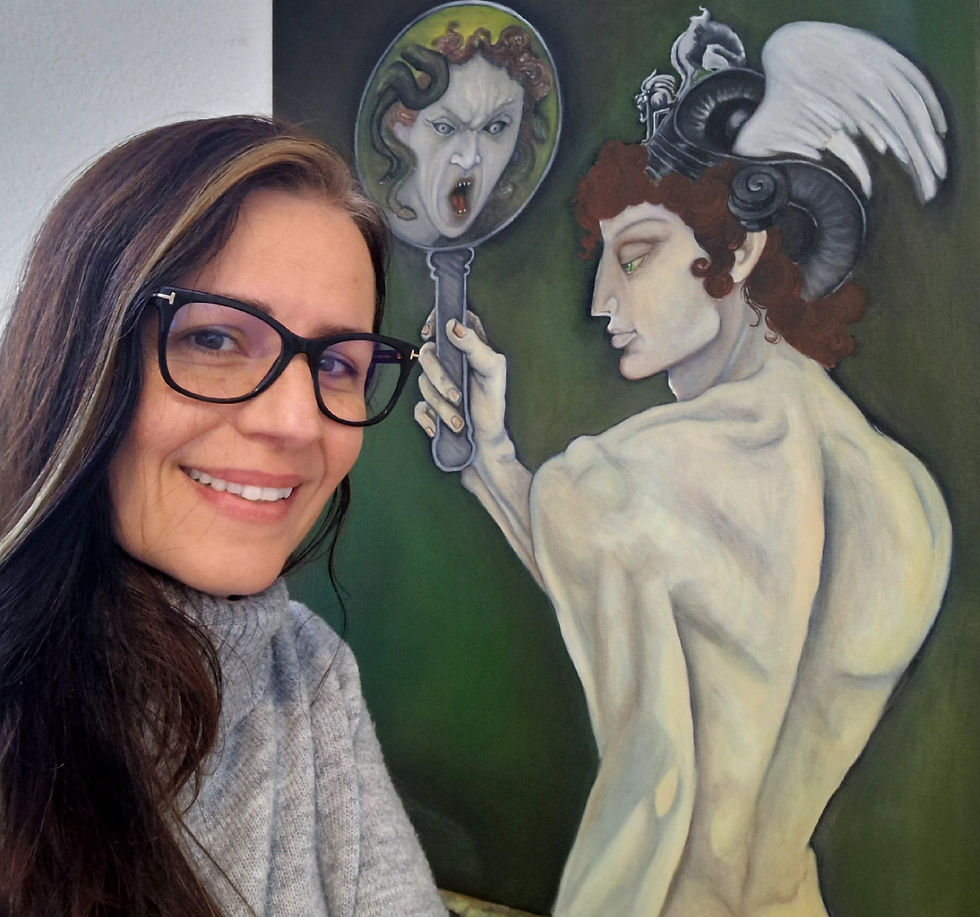
And then there was the Catholic influence of my nonne —my grandmothers. I inherited their faith, their devotion, and their own pantheon of saints, each one accompanied by a particular preghiera, a prayer for every joy, sorrow, illness, or moment between life and death.

The rituals of the Church, the processions, the blessings, and even the stories of exorcisms became part of the fabric of my childhood. All of these memories remained hidden within me for years, until I finally decided to bring them into the light and share them with the world through my art.
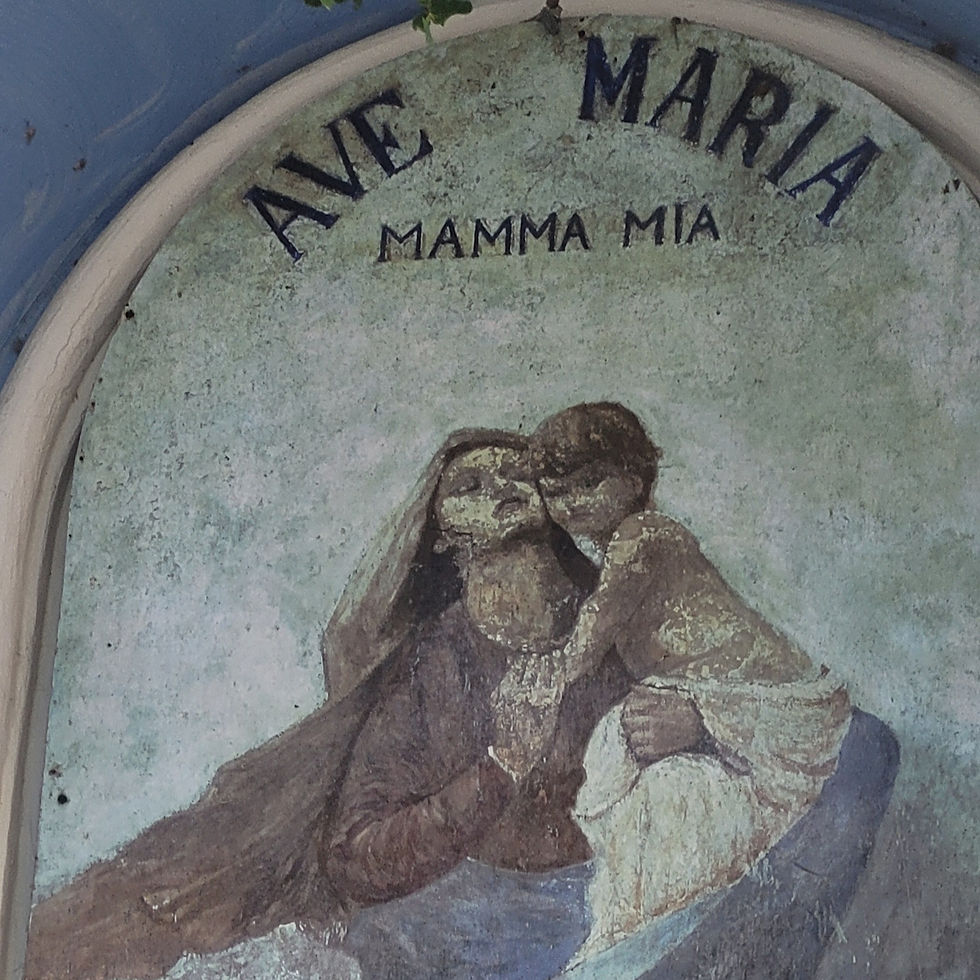
But my story is not over. In many ways, it truly began the moment I found myself. It is a journey that will end only with my last breath—or perhaps not. I do not know what awaits us in the afterlife, if anything at all. But I like to believe that the soul's longing to create, to wonder, and to seek beauty is something greater than ourselves, and that such things do not simply vanish.


Comments